How Do You Plan an HOA Painting Project Without Disrupting Residents?
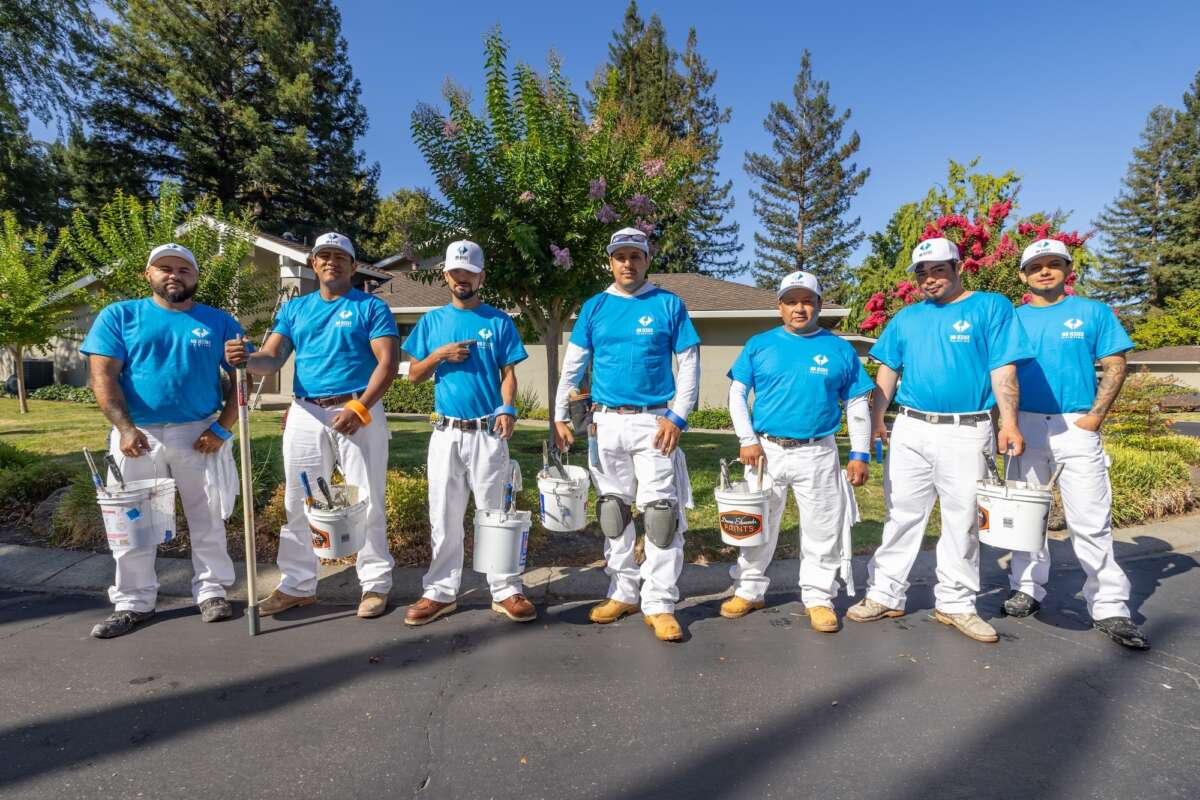
How do you plan an HOA painting project without turning the community upside down? It starts with planning the project around the people who actually live there. A good HOA painting plan should account for resident communication, building access, parking, work hours, project phasing, common-area use, and the inevitable “Wait, they're painting our building today?” moment.
Painting an HOA or multifamily property is different from painting a single-family home. You're not coordinating with one homeowner. You may be working around dozens or even hundreds of residents, plus property managers, board members, vendors, maintenance teams, pets, cars, deliveries…you get the idea. The goal isn't to eliminate every inconvenience. The goal is to anticipate them and keep disruption to a reasonable minimum.
Start Planning Before You Want the Painting to Start
One of the easiest ways to make an HOA painting project more difficult is to wait until the property desperately needs paint before starting the conversation. Larger HOA and multifamily projects take time to evaluate, budget, approve, schedule, and communicate to residents. There may also be repairs that need to happen before painting begins. Starting early gives the HOA board and property manager time to understand the scope, prioritize what needs attention, and decide whether the work should happen all at once or in phases. This becomes especially useful toward the end of the year, when many associations are reviewing remaining maintenance needs and beginning to map out projects for the months ahead.
Build Resident Communication Into the Painting Plan
Residents don't need to know every technical detail of the coating system, but they absolutely need to know when the project will affect them. A clear communication plan should establish who is responsible for resident notices and how much advance warning will be provided. Depending on the project, residents may need to know about:
Work hours: When crews will arrive and when work will stop for the day.
Parking restrictions: Which spaces need to remain clear and for how long.
Access requirements: Whether patios, balconies, hallways, stairwells, or other areas need to be accessible.
Windows and doors: When residents may need to keep them closed or avoid using certain entrances.
Personal belongings: Whether furniture, plants, decorations, grills, or other items need to be moved.
Project updates: What happens if weather, repairs, or another issue changes the schedule.
Nobody likes discovering a parking restriction by finding a cone where their car normally goes. A little advance communication goes a long way. On large, active residential properties, planning those logistics is every bit as important as planning the painting itself.
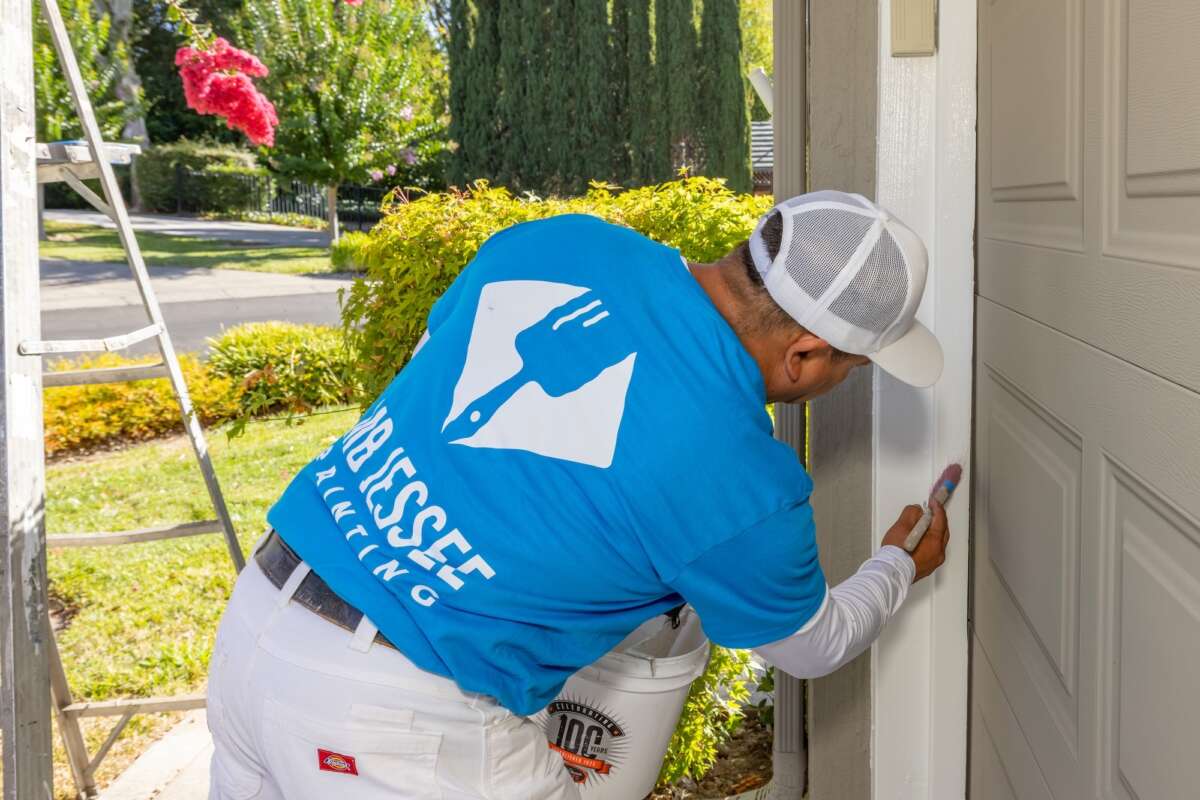
Break Larger HOA Painting Projects Into Manageable Pieces
For a large community, trying to work everywhere at once usually isn't the answer. A thoughtful project schedule can divide the property into logical phases so residents know when their particular building or common area will be affected.
Work Building by Building
On multifamily properties with several buildings, completing one section before moving to the next can make access, equipment placement, resident notices, and daily cleanup easier to manage.
Keep Critical Areas Accessible
Entrances, sidewalks, mail areas, stairways, elevators, and other frequently used spaces require extra planning. Sometimes the solution is simply sequencing the work so one route remains available while another is being painted.
Plan Around the Property's Schedule
Every community has its own rhythm. Trash pickup, landscaping crews, deliveries, resident events, move-ins, inspections, and other scheduled activities can all overlap with painting. Identifying those conflicts beforehand is much easier than sorting them out when a lift, landscaping truck, and moving van all want the same parking spaces on Tuesday morning.
Don't Forget About Interior Common Areas
HOA painting doesn't necessarily stop when exterior painting season slows down. Hallways, lobbies, clubhouses, fitness rooms, stairwells, leasing or management offices, and other shared interior spaces may all be candidates for winter work. In fact, late fall and winter can be useful times to address interior common areas while simultaneously planning larger exterior maintenance for the following season. The same resident-first thinking still applies: consider traffic patterns, access, drying times, when each space is busiest, etc. If the community has a year-end maintenance list, separating indoor projects from weather-dependent exterior work can also make that list considerably easier to prioritize.
A Good Scope Helps Prevent Surprises
Before work begins, everyone should have a clear understanding of exactly what's included. Which buildings and surfaces are being painted? Who handles minor repairs? Are railings, doors, trim, fences, or balconies included? What happens if crews uncover damaged wood, failing coatings, or another condition that wasn't visible during the initial walkthrough? These aren't exciting questions, but they're much more fun to answer before the project starts. A detailed scope gives property managers, boards, residents, and the painting contractor the same playbook and makes schedule changes or unexpected repairs much easier to handle.
The Bottom Line
The least disruptive HOA painting projects generally aren't the ones completed the fastest. They're the ones planned carefully before anyone opens a paint can. Start the conversation early. Build resident communication into the schedule. Divide larger projects into manageable phases. And think about how painting will interact with everyday life at the property.
MB Jessee Painting
At MB Jessee Painting, we work with HOAs, property managers, and multifamily communities throughout the Bay Area. Whether you're looking at a year-end interior project or beginning to plan future maintenance, we can help evaluate the property, develop a clear scope, and think through the logistics before work begins. Give us a call!
Frequently Asked Questions
How far in advance should an HOA plan a painting project?
Earlier is generally better, especially for larger multifamily communities. Planning ahead allows time for budgeting, approvals, repairs, resident communication, and scheduling rather than trying to coordinate everything at the last minute.
Can HOA painting be completed in phases?
Absolutely. Larger projects are often divided by building, elevation, or area of the property. Phasing can make resident communication and access considerably easier to manage.
What HOA areas can be painted during winter?
Interior common areas such as hallways, stairwells, lobbies, clubhouses, fitness rooms, and management spaces can often be addressed without relying on exterior painting weather.
Who should communicate painting schedules to residents?
That should be established before the project begins. The property manager, HOA, and painting contractor should determine who sends notices, what information residents need, and how schedule changes will be communicated.