
What Should Be Included in an Interior Painting Estimate?
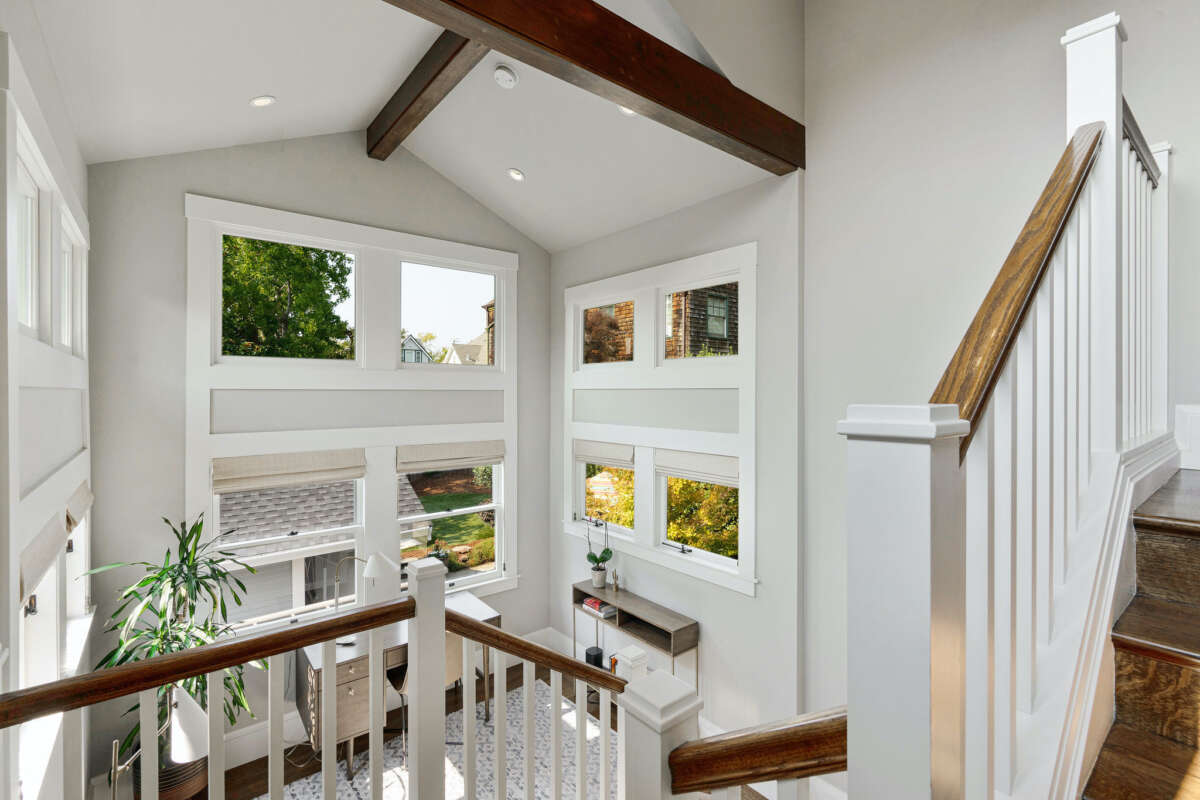
An interior painting estimate should clearly explain what’s being painted, how the surfaces will be prepared, what products will be used, how many coats are included, and what the total project will cost. It should also address repairs, protection of your home, scheduling, and anything that isn't included in the price.
Sounds pretty straightforward, right? Well, you'd be surprised how much can get lost between “We'd like to paint the living room” and “Here's your estimate.” And when you're comparing proposals from two or three painting contractors, those little details can make a pretty big difference. Let's take a closer look at what should actually be included.
Start With Exactly What's Being Painted
“Paint the living room” sounds specific enough until you start thinking about everything that's actually in the living room. Are we talking about just the walls? What about the ceiling? Baseboards? Window trim? Doors and door frames? A good interior painting estimate should identify the rooms and surfaces included, along with any areas being excluded. This is especially important when comparing multiple estimates. One contractor might include the ceiling and trim, while another is quoting walls only. The prices could look very different, even though neither contractor is necessarily charging more for the same work. The goal is to make sure everyone is pricing the same project.
Surface Preparation Shouldn't Be a Mystery
Here's something worth remembering: a lot of the work involved in interior painting happens before anyone opens a can of finish paint. Walls accumulate nail holes, scuffs, cracks, dents, and other little imperfections over time. And depending on the condition of your home, some areas may need considerably more attention than others. Your estimate should explain which preparation tasks are included, such as:
- Wall repairs: Filling nail holes, minor cracks, and small imperfections.
- Sanding: Smoothing repaired areas and preparing surfaces for painting.
- Caulking: Addressing appropriate gaps around trim and other joints.
- Priming: Preparing repaired, stained, or otherwise challenging surfaces when needed.
- Cleaning: Removing dirt, grease, or residue that could interfere with paint adhesion.
- Protection: Covering floors, furniture, fixtures, and other areas that aren't being painted.
One important distinction: not every painting estimate includes extensive drywall repairs or other major surface work. Those items may require additional labor or a separate scope. The important thing is knowing where the line is drawn before the project begins.

What Paint Products and How Many Coats Are Included?
Not all paint products are designed for the same purpose. A bedroom wall, bathroom ceiling, and kitchen cabinet may require very different approaches. Your estimate should identify the paint manufacturer, product line, and finish being used, or explain how those selections will be finalized. It should also clarify how many coats are included.
Two coats are commonly specified for interior painting projects, but actual requirements depend on the existing surface and products being used. Changing a dark wall to a much lighter color, for example, will probably require more work. A clear estimate should help you understand what's included if the new color doesn't cover quite as easily as expected.
How Will Your Home Be Protected During Painting?
Unless your house is completely empty, there's probably a fair amount of furniture, flooring, artwork, and other belongings to work around. And even if the rooms are vacant, there are still surfaces that need protection. An estimate should address who is responsible for moving furniture, removing wall hangings, protecting floors, and preparing the work areas. It's also worth asking about daily cleanup, especially if you'll be living in the house while the painting takes place. For a single bedroom, this might be pretty simple. For an entire occupied home, it becomes a much bigger part of the painting process.
Scheduling, Payment, and Other Details Worth Checking
Price matters, of course. But an estimate should give you more than a number at the bottom of the page. You should also understand the anticipated project timeline, payment terms, any applicable warranty, and how unexpected work will be handled. For example, what happens if the painters discover damage that wasn't visible during the original walkthrough? Or you decide halfway through the project that you'd like to add another room? Those changes aren't necessarily a problem. They just need to be discussed, documented, and approved before additional work moves forward.
Why Are Interior Painting Estimates Sometimes So Different?
Let's say you receive three estimates to paint the same rooms, and the prices aren't even close. Your first instinct might be to assume the most expensive contractor is overcharging or the least expensive one is offering a great deal. Maybe. But maybe not.
Differences in preparation, repairs, paint products, included surfaces, labor, and project protection can all affect the price. That's why it's worth comparing the actual scope of work rather than just the final totals. In fact, we recently broke down what affects the cost of interior painting in the Bay Area, and it's a useful companion to this conversation. A lower estimate isn't automatically a better deal if it leaves out work you expected to be included. And a higher estimate isn't automatically better, either.
The Bottom Line
A good interior painting estimate should leave you with a pretty clear understanding of what's going to happen in your home, what you're paying for, and what to expect along the way. You shouldn't have to guess whether the trim is included, whether wall repairs cost extra, or what happens if something unexpected comes up.
At MB Jessee Painting, we've been working with Bay Area homeowners since 1995. We know that clear expectations and careful planning make a difference, especially when you're inviting a painting crew into your home. Have an interior project in mind? We'd be happy to talk through your plans and provide an estimate.
Frequently Asked Questions
Q: Should an interior painting estimate include wall repairs?
A: It should explain which repairs are included. Minor nail holes and surface imperfections are often addressed during preparation, while larger drywall repairs or damage may require additional work.
Q: Does an interior painting estimate include paint and materials?
A: Many professional painting estimates include labor, paint, and standard materials, but you should always confirm. The proposal should make it clear whether materials are included or billed separately.
Q: Should ceilings and trim be included in an interior painting estimate?
A: Not automatically. Some estimates cover walls only, while others include ceilings, baseboards, doors, and trim. Make sure the scope identifies exactly which surfaces will be painted.
Q: Do painters move furniture before painting?
A: Many painting contractors can assist with moving or protecting furniture, but the extent of that service varies. Your estimate should explain what the painting team will handle and what you'll need to prepare yourself.
Q: Is the lowest interior painting estimate always the best choice?
A: Not necessarily. Compare preparation, products, coats, repairs, protection, and the overall scope of work. Two estimates with very different prices may actually represent two very different projects.