
When Should an HOA Start Planning and Budgeting for a Painting Project?
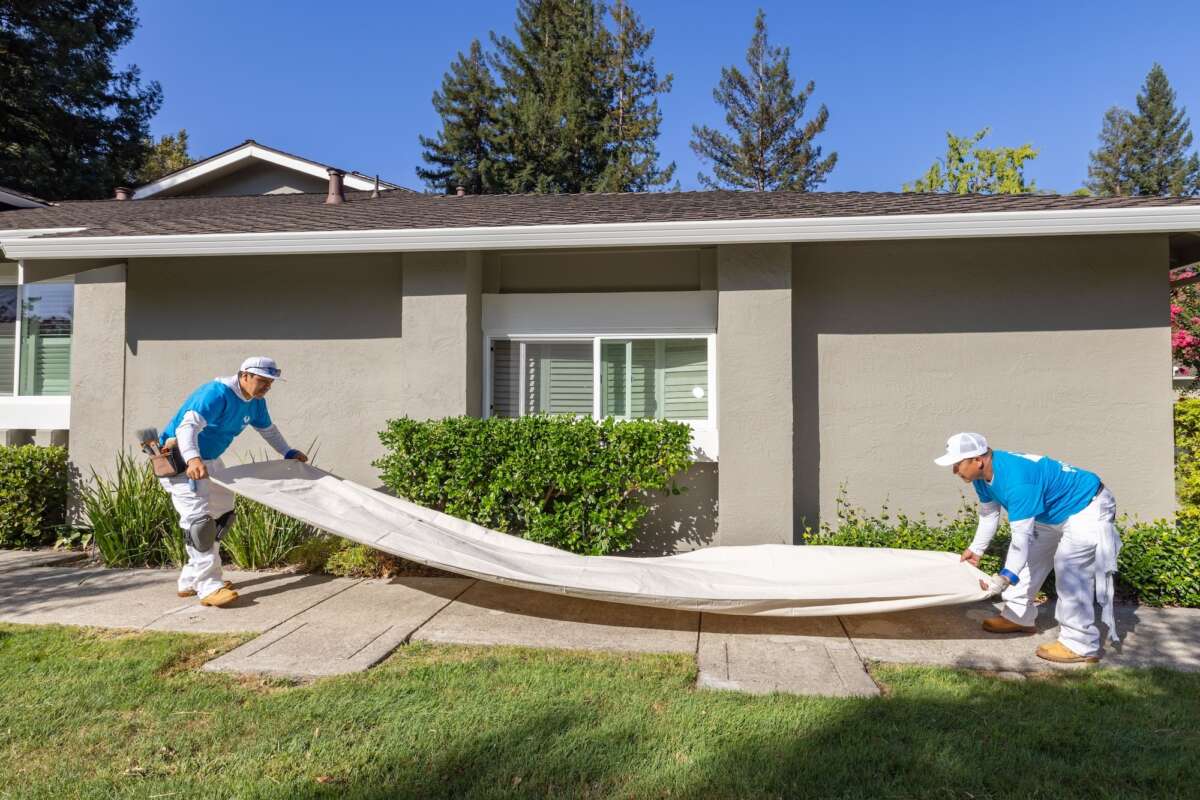
Ideally, an HOA should start planning and budgeting for a major painting project 12 to 24 months before the work is expected to begin. Larger communities or properties with significant repairs may need even more time, while smaller maintenance projects can often be planned on a shorter schedule. Starting early gives the board and property manager time to evaluate building conditions, review reserve funds, collect estimates, secure approvals, and coordinate the work without rushing.
Because let's be honest, getting an entire community painted involves a little more coordination than picking a color and calling a painter. There are budgets to approve, residents to notify, schedules to coordinate, and sometimes a few surprises hiding underneath that old paint. So, when should the planning actually begin? And what should happen along the way?
Start With Your HOA's Reserve Study
Most HOAs use a reserve study to help forecast major maintenance expenses, including exterior painting. It's a useful starting point for determining when a repaint may be needed and how much money should be set aside. But here's the thing: a reserve study is a planning tool, not a crystal ball. A building's actual condition may change faster or slower than anticipated. Sun exposure, moisture, previous paint applications, and the condition of wood or stucco can all affect the timeline. A periodic property assessment can help you decide whether your HOA painting project is still on track or needs to move up the priority list.
What Should Happen 12 to 24 Months Before Painting?
This is when the project should start becoming more than a line item in the budget. The board and property manager should begin evaluating the property, identifying maintenance concerns, and discussing what the painting project will actually include. Some important steps during this stage include:
- Inspect the property: Look for peeling paint, failed caulking, wood rot, cracking stucco, and other signs of deterioration.
- Review available funds: Compare the anticipated project cost with reserve allocations and other upcoming expenses.
- Define the scope: Decide whether the work includes siding, trim, balconies, railings, common areas, or additional repairs.
- Discuss project phasing: Determine whether the community should be painted all at once or divided into smaller projects.
- Get preliminary estimates: Talk with experienced HOA painting contractors to develop a more realistic budget.
- Review approvals: Identify board votes, homeowner approvals, or other requirements that could affect the schedule.
You don't necessarily need every detail finalized this far in advance. But you should have a pretty good understanding of what you're planning for and whether the budget is realistic.
Why Is Early Budgeting So Important?
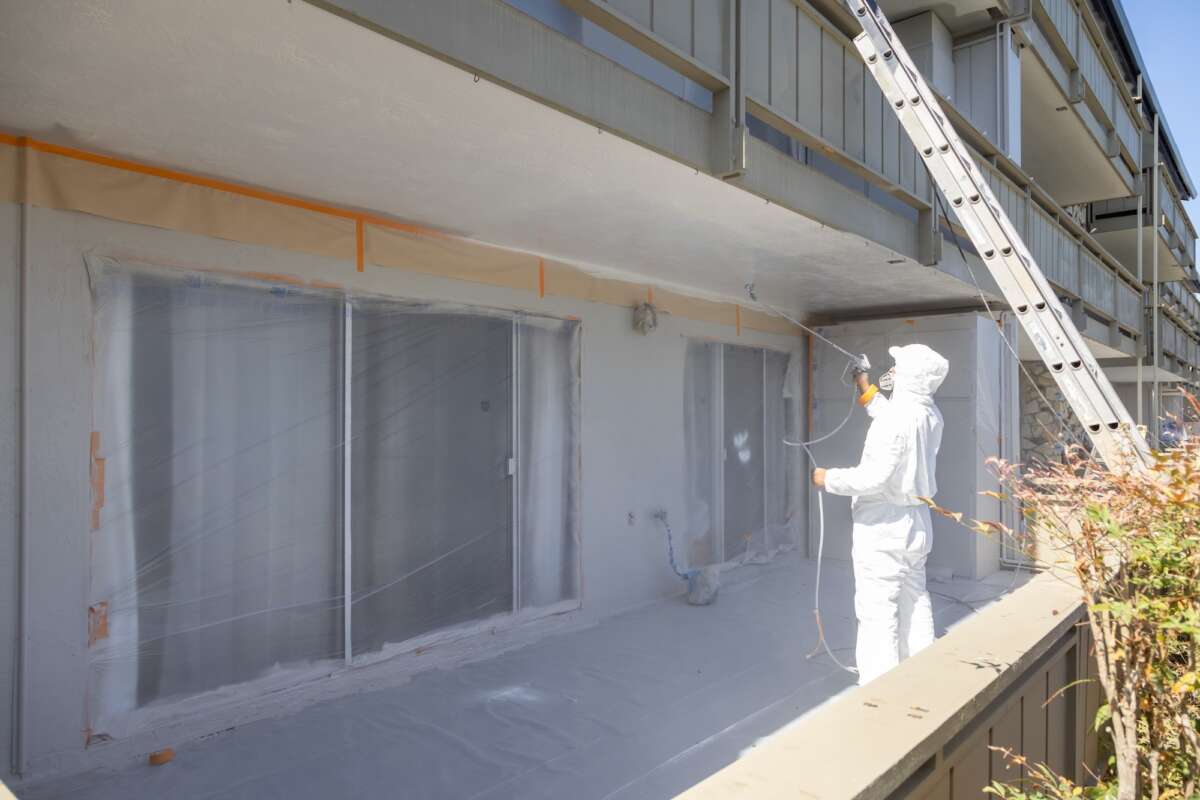
Painting costs aren't determined by square footage alone. Building height, accessibility, surface preparation, repairs, coating systems, and scheduling requirements can all affect the final price. A three-story condominium complex with extensive wood trim, for example, is a very different project from a group of single-story buildings with relatively simple exteriors.
And here's where early planning really pays off. If the HOA discovers that the project will cost more than originally anticipated, there's still time to evaluate options. That might mean adjusting reserve allocations, prioritizing certain repairs, or spreading the work across multiple budget cycles. A detailed HOA painting scope of work can help the board make those decisions with actual project requirements rather than educated guesses.
Don't Overlook Your Q4 and Q1 Painting Opportunities
Not every HOA painting project needs a year or more of planning. Smaller projects, such as repainting interior common areas, refreshing stairwells, or addressing specific maintenance concerns, may be easier to fit into an existing budget and schedule. That's especially worth considering as the year winds down. Does your community have remaining Q4 maintenance funds? Are there painting or repair projects already on the list for early next year? Now is a good time to review those priorities, get estimates, and determine what makes sense to tackle sooner versus later. And remember, planning a project doesn't mean you have to start painting tomorrow.
What About Six to Twelve Months Before the Project?
By this point, the HOA should be moving toward a defined scope, contractor selection, and a realistic project schedule. This is a good time to compare proposals, discuss product specifications, review repair allowances, and make sure everyone understands what's included in the work. It's also worth considering how the project will affect residents. Parking restrictions, access to balconies, noise, equipment placement, and communication all need attention. In fact, we've put together a separate guide on planning an HOA painting project without disrupting residents that explores this side of the process in more detail.
What Should Happen Right Before Painting Begins?
As the project approaches, the focus shifts from budgeting to coordination. The scope should be finalized, colors and materials approved, and residents informed about the anticipated schedule. Your contractor and property manager should also have a clear understanding of access requirements, staging areas, and how unexpected repairs or schedule changes will be handled. This is also a good time to revisit the property's condition. If several months have passed since the original walkthrough, additional repairs or maintenance concerns may have developed. A little extra communication now can help prevent a lot of confusion once crews arrive.
The Bottom Line
The best time to start planning an HOA painting project isn't necessarily the best time to start painting. And that's really the point. Starting early gives your community more flexibility, more time to make informed decisions, and a better opportunity to align painting with reserve funding and maintenance priorities. Whether you're planning a major exterior repaint next year or looking for smaller projects to complete before the current budget cycle ends, getting the conversation started is a smart first step.
At MB Jessee Painting, we work with HOA boards and property managers throughout the Bay Area to plan and coordinate painting and maintenance projects. If you're reviewing your upcoming budget or wondering where to start, we'd be happy to talk through your plans and help you determine the next steps.
Frequently Asked Questions
Q: How far in advance should an HOA budget for exterior painting?
A: For a major exterior painting project, starting 12 to 24 months in advance is a useful guideline. Larger communities or projects involving extensive repairs may need additional planning time.
Q: Should HOA painting be included in the reserve study?
A: Major recurring painting expenses are commonly included in an HOA's reserve study. Boards should review those projections alongside actual property conditions and current contractor estimates.
Q: Can an HOA painting project be completed in phases?
A: Yes. Depending on the property, budget, and maintenance priorities, painting can sometimes be divided by building, section, or type of work. Phasing should be planned carefully so the community understands the overall schedule and cost.
Q: Is winter a good time to schedule HOA painting in the Bay Area?
A: Winter can be a practical time for interior common-area painting, including hallways, lobbies, stairwells, and other shared spaces. Exterior work depends more heavily on weather conditions and the products being used.
Q: When should an HOA start requesting painting estimates?
A: Preliminary estimates can be useful 12 to 24 months before a major project to support budgeting. More detailed proposals should be requested once the scope and anticipated schedule are better defined, with pricing reconfirmed before work is approved.